
Beyond Excel: How to Free Your Foreign Trade Business from Paperwork
Published on February 10, 2026
Anyone working in foreign trade knows that feeling of constant uncertainty all too well. Every day becomes an obstacle course: calls to the customs broker, last-minute emails, and the typical routine of pressing F5 over and over on shipping line websites just to see if a container has been released. If your operation still relies on cross-referencing Excel spreadsheets and writing manual emails one by one, you are losing valuable time that you should be spending negotiating better rates or finding new suppliers.
Friction Points You Can Solve Simply
Structuring and organizing the daily routine of foreign trade doesn't require implementing expensive and complex systems. It's about connecting what you already use in a smarter way.
1. Proforma Invoice Generation
Instead of opening three different spreadsheets to check prices, calculate exchange rates, and copy data into a word processor to save it as a PDF, a simple on-screen form can cross-reference the data and send the ready-to-use document by email in seconds. The salesperson only has to enter the details once.
2. Container Tracking
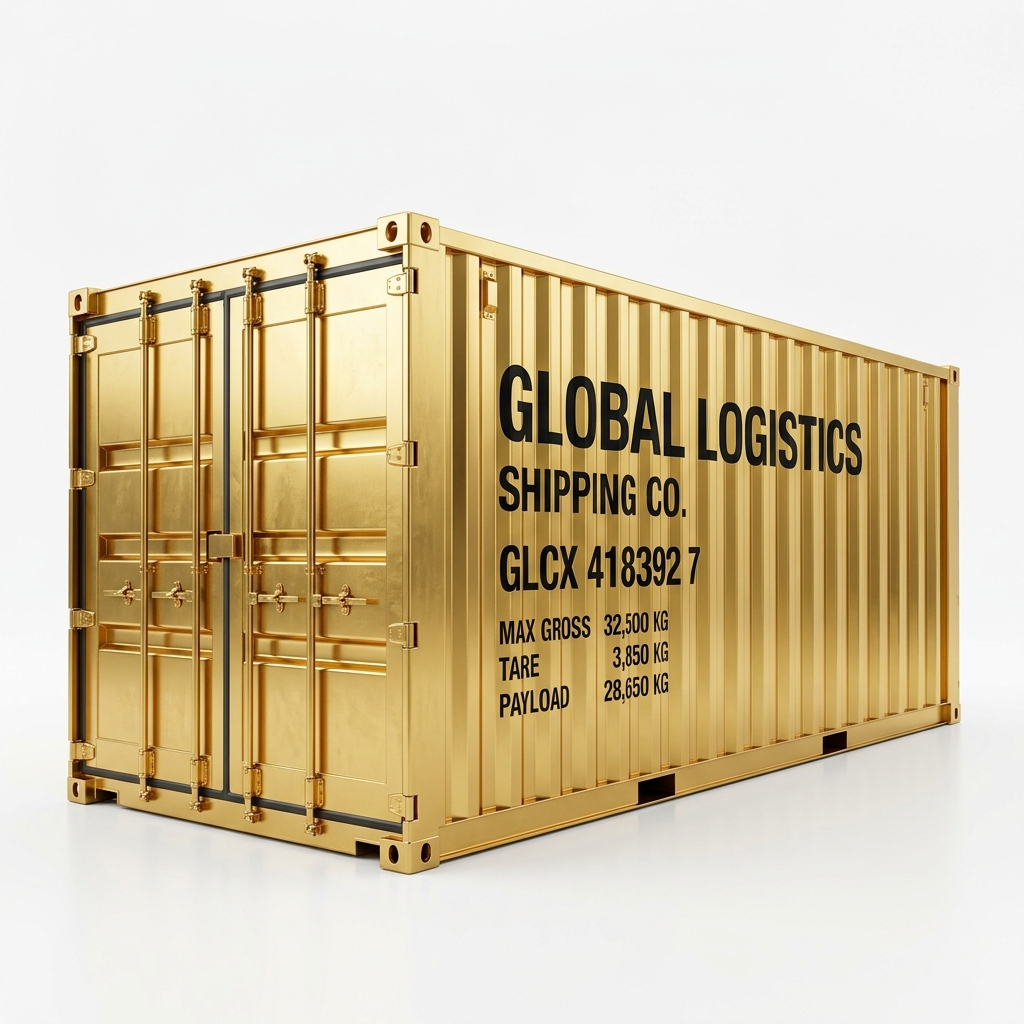
Spending the morning copying and pasting tracking numbers into shipping line websites only to then notify the client is a highly repetitive task. A digital assistant running in the background can check these tracking systems automatically at regular intervals and alert you immediately of any status change, or even send a direct update notification to your client.
3. Customs Documentation Control
Customs delays due to a missing document or an expired date are expensive. You can set up a dashboard that automatically verifies that every shipment has all mandatory files attached and correct before dispatch, issuing an alert if any signature or certificate is missing.
4. Calculation of Import Costs
Calculating freight, insurance, and port fees with variable exchange rates is usually done manually and under pressure. You can set up an automated spreadsheet that retrieves market data in real time and calculates the final cost of each shipment without the risk of typos.
5. Proactive Customer Notifications
A large portion of the emails your team answers are from clients asking "where is my order?". You can schedule automatic alerts to be sent whenever a shipment reaches an important milestone (departure from port, arrival at customs, release), keeping everyone informed without having to write each email.
Organization Is the First Step
It doesn't make sense to try to solve everything at once. It is best to start where the most errors or delays occur in the office. Typically, companies starting this process choose one of these three areas:
- Quote preparation: If order volume forces you to spend hours in front of the screen just to send initial quotes.
- Shipment tracking: If managing multiple containers at once causes stress due to a lack of real-time visibility.
- The digital document folder: If you have ever experienced port delays because paperwork was lost in email inboxes.
What Technology Is Needed?
You don't need to install massive, expensive management software. Most of these improvements are built by connecting your current tools (like spreadsheets and emails) through background automation and easy-to-use digital assistants. The key is to make technology work for you, not the other way around.
In short: Foreign trade is a sector with highly standardized processes, which makes it ideal for digital organization. Every hour saved from paperwork is time your team reclaims to handle actual contingencies, take care of clients, and grow the business.